

In a society increasingly marked by climate variations and water scarcity, the need for dependable water sources has never more essential. Borehole drilling presents a captivating solution for utilizing subterranean water reserves, securing that individuals and communities can secure their drinking needs when surface sources are depleted. With advanced techniques and a greater understanding of geology, borehole drilling has transformed from a niche practice into a essential resource for water security.
Beyond simply drawing from groundwater, borehole drilling represents a complex approach to sustainability. As https://www.phdrilling.uk/ investigate the various methodologies, from grasping the drilling process to choosing the appropriate materials, we will explain why boreholes are more than a premium choice but a necessity. Whether it's for crop watering, providing water for livestock, or ensuring year-round access to drinking water, comprehending these techniques can empower property owners to make wise decisions that safeguard their prospects against the uncertainties of climate change.
Well Drilling and Water Safeguarding
Borehole drilling has risen as a key method for securing H2O safety, particularly in regions experiencing increasing dryness scenarios. As conventional H2O supplies become unreliable, wells offer a reliable backup solution by tapping into deep aquifer sources. This technique provides a reliable H2O source, irrespective of surface water supplies, making it an essential factor for homeowners and farmers too.
The consequences of climate change has heightened the importance of efficient H2O management strategies. Well boring enables property owners to obtain water for various needs, ranging from domestic use to agricultural watering. Grasping the geology of an location is key to effective borehole operations, as it affects water access and purity. By investing in this technology, people and groups can future-proof their water supply against the challenges posed by shifting climate trends.
Moreover, the advantages of well boring go further than just satisfying immediate hydration requirements. It enhances water security, allowing for year-round availability to clean water, which is vital for both individual health and farming output. As such, borehole drilling represents a fundamental structural investment that can yield significant long-term benefits. Prioritizing this asset helps reduce the threats associated with changing weather conditions and dwindling surface H2O supplies.
Engineering Analysis into Borehole Methods
Well borehole drilling methods make use of a number of approaches and technologies to retrieve subterranean water reserves. The procedure starts with meticulous geological assessments to establish appropriate locations for drilling. High-tech drilling machines equipped with specialized drill bits are used to bore through different layers of earth and substrate. For example, rotary or circular drilling tools are effective for varying geological conditions, allowing drillers to adjust to solid or soft terrains. The selection of drill bit is crucial for optimizing efficiency and reducing equipment degradation during the retrieval process.
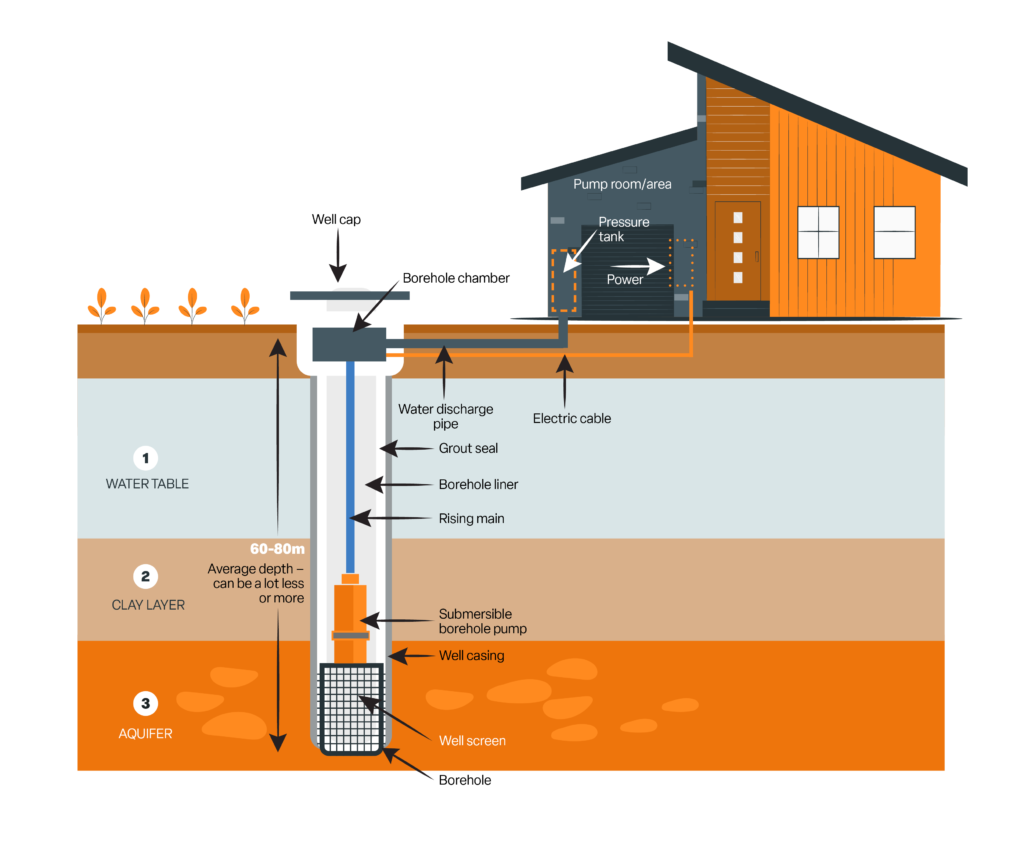
Once borehole drilling commences, the geological layering is carefully monitored. A profound understanding of hydrogeology is essential as it influences the level and location of boreholes. The goal is to tap into the subsurface water, a porous layer that can retain and convey water effectively. The importance of analyzing flow rates and the groundwater level is essential, as these elements determine the viability of the well. Success relies on ensuring that the withdrawal does not exceed the natural replenishment rates of the water source, thus maintaining a consistent water supply over time.
After attaining the required depth, the subsequent action is to install proper pipe installation to safeguard the well. This includes inserting casing into the bored hole and cementing them to prevent any pollution from adjacent soil and rock. Proper casing is essential for safeguarding groundwater supplies from contaminants, especially in areas where surface water may not be a safe option. Additionally, the stability of the borehole system is maintained through ongoing maintenance, requiring the use of durable components that can withstand environmental factors and avoid damage over the long term.
Practical Aspects for Water Source Implementation
When preparing for well installation, one of the most critical aspects is the geotech assessment of the location. Grasping the local geological conditions, including soil types and subsurface structures, plays a vital role in assessing the chances of successful water sourcing. Conducting a comprehensive geological survey before the drilling process will provide insights into geological features that may affect the drilling process and the yield of resources. This data can help in selecting the best borehole location and depth for boreholes, guaranteeing that the setup meets your water needs efficiently.
Financial planning for borehole implementation is a further crucial factor that demands careful attention. The overall cost encompasses not only the drilling process but also materials, licenses, and potential testing for quality assurance. It is important to prepare a detailed breakdown of the anticipated expenses, allowing for contingencies that might arise during implementation. Investing in quality materials and professional expertise may appear high initially, but they are necessary for ensuring longevity and reducing ongoing expenditures. Proper budget management can greatly impact the sustained viability of your water source.
Lastly, prior to engaging a driller, it's crucial to have a comprehensive grasp of all legal requirements and regulations associated with borehole installation in your area. This includes obtaining required permits and ensuring adherence with local water regulations. A checklist can streamline this process and help avoid any issues that could arise after work starts. Alongside, preparing in advance by asking relevant inquiries to potential drillers can provide clarity on their expertise and approach, fostering a hassle-free drilling experience that culminates in a trustworthy water source.