

Addressing renovation tasks often requires ascending to higher levels, both literally and figuratively. Whether you’re coating the exterior of your house, overhauling a ceiling, or installing fixtures in upper levels, scaffold structures can be an invaluable tool for safely reaching these high locations. However, many do-it-yourselfers face challenges when it comes to understanding the best practices for scaffolding installation and safety. This is where we step in to provide key tips and insights to help ensure that your endeavors go without a hitch and securely.
In this resource, we will explore various elements of scaffolding, including why professional installation is a critical safety measure, how to effectively mitigate risks on site, and the laws pertaining to scaffold practices. From selecting the right materials to recognizing the need for regular inspections, we will address all necessary information to make wise choices that prioritize safety while improving your home improvement efforts. Come along as we delve into the field of scaffold systems and aid you in traversing the details of renovation and restoration with assurance.
Fundamental Scaffolding Safety Protocols
While operating with scaffolding, the primary emphasis is on safety to avoid accidents and injuries. First, appropriate training for all personnel remains essential. All individuals operating and scaffold systems should possess a clear knowledge of the scaffolding's operation, its limitations, and the safety protocols to follow. Frequent safety meetings and training sessions aid enhance this knowledge and guarantee that everyone is aware of the safest practices.
Another important procedure involves the thorough assessment of scaffold parts before and throughout use. This entails checking for structural soundness, safe connections, and security on irregular ground. A scaffold inspection checklist should be used to make certain that all essential elements are verified each day by a qualified professional. This routine inspection provides a preventive approach to identifying potential hazards prior to they cause serious incidents.
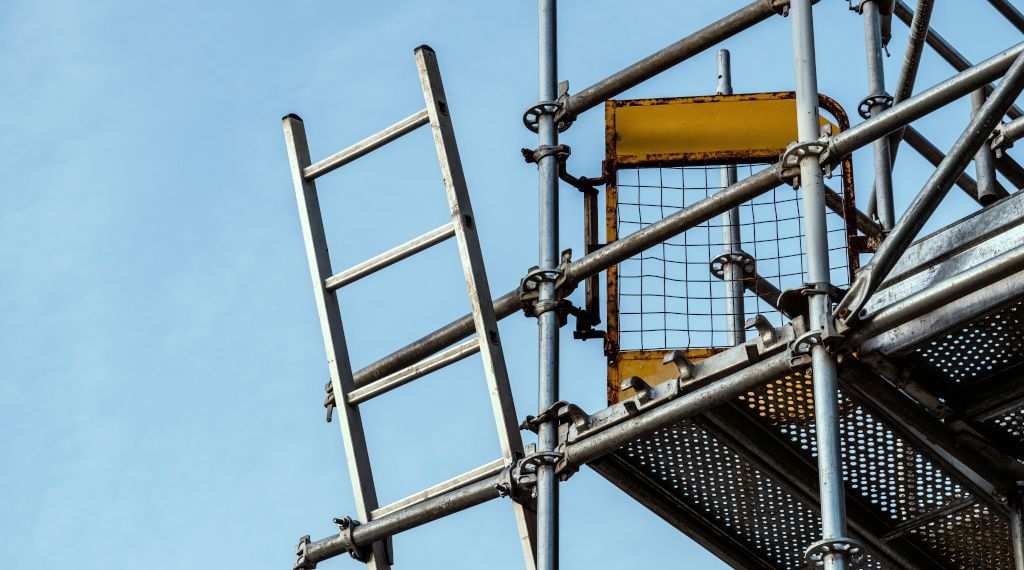
Finally, establishing clear interaction among the team is crucial to maintaining a safe work setting. This involves using non-verbal signals, safety vests, and barricades to mark safety zones and potential hazards. Urging employees to express concerns and inform about unsafe conditions serves as another vital aspect of an successful safety protocol. By fostering an transparent communication culture, teams can better manage risks associated with scaffolding and enhance overall workplace safety.
Determining the Appropriate Scaffold Options
When begin a building assignment, picking the correct scaffolding option is crucial for maintaining both protection and effectiveness. Each assignment presents distinct obstacles, such as height, weight capacities, and location conditions. Standard scaffolding are versatile and often chosen for large-scale work that demands multiple levels and considerable load-bearing power. However, there are cases where other options, such as elevated work areas, might be more fitting. Understanding the particular requirements of your project will guide you in choosing the right selection.
Consider the setting in which you will be working. If the ground is irregular or unsteady, it is essential to pick scaffolding options with modifiable foundations or stabilizing components. Additionally, for projects in confined spaces or locations with restricted access, flexible scaffolding systems may offer the flexibility and effectiveness needed to handle challenges. By reviewing the location factors and likely obstacles, you can confirm the scaffolding you pick is tailored for safety and convenience of operation.
Furthermore, consulting with an knowledgeable contractor can give important guidance into the most appropriate scaffold options for your project. A contractor can assess your needs and advise on designs that align seamlessly with your building plans. i was reading this will also take into account regulatory issues, making sure that the chosen scaffolding adheres to local construction codes and security regulations. Making informed choices with expert advice will considerably enhance the general effectiveness and safety of your construction project.
Contractor Insights on Scaffold Management
Efficient scaffold management demands a deep understanding of safety procedures and adherence with rules. Professional contractors highlight the significance of being proficient in OSHA guidelines as well as regional construction codes. This expertise aids in maintaining a safe work environment but also minimizes the risk of liability. Construction professionals should verify that all workers are educated in scaffold safety and understand the importance of adhering to established protocols to mitigate incidents on site.
Another critical aspect of managing scaffolds is conducting regular checks and upkeep. An experienced contractor will use thorough checklists for inspecting scaffolds to ensure that all components are in optimal condition and that safety mechanisms are functioning as intended. Daily checks help identify potential hazards early, allowing for immediate action. This preventive approach significantly contributes to overall worker safety and project efficiency.
Finally, budgeting and planning for scaffold needs is crucial for the success of the project. Construction professionals should evaluate the work scope and the specific requirements of the project when assessing the required quantity of materials and labor for scaffold installation. A detailed cost breakdown will also help clients grasp the financial aspects involved, staving off unexpected expenses. By emphasizing these key points, construction professionals can simplify their processes for managing scaffolding, providing superior results for all stakeholders.