

In today’s quick-moving world, electrical professionals play a critical role in maintaining the security and functionality of our homes. They are the unsung heroes who keep our lights on, our devices powered, and our environments safe from electrical hazards. From the moment we flick a button or insert a device, we rely on their expertise to guarantee our electrical systems function dependably and meet rigorous safety codes.
This article takes you on a exploration through the lives and experiences of electricians, exploring the vital skills and daily challenges they face. electrical rewires eastbourne will delve into essential topics like grasping residential electrical codes, diagnosing common household electrical problems, and the importance of secure grounding in electrical systems. Whether talking about the intricacies of installing GFCI protection in bathrooms or the factors for modernizing old knob-and-tube wiring systems, these stories from electricians will highlight their knowledge and the bright futures they help develop for our homes and communities.
Domestic Wiring Codes and Security Standards
Grasping home electrical standards is crucial for ensuring safety and compliance in electrical installations. These codes, often ordained by regional governments, comply with national guidelines such as the National Electrical Code in the US of A. They establish standards for the arrangement of electrical cabling and devices to safeguard residents from dangers like shock hazards or fires. Electrical contractors must keep current on these codes to make certain their work meets the required safety standards and laws.
Safety regulations not only assist in reducing risks during installation but also protect property owners in the case of an electric mishap. Specific requirements dictate aspects like wire types, designs of circuits, and the installation of safety devices, such as ground fault circuit interrupters and AFCIs. These safety devices are crucial in avoiding electrocution and blaze, especially in areas vulnerable to moisture or where equipment may pose a increased risk.
Adherence with wiring codes and safety standards is not voluntary; it is essential for the sustained protection of any residential electrical system. Residents should always check that their electricians are certified and aware of the current codes. Additionally, conducting regular check-ups and revisions of existing electrical systems can help spot potential risks, making certain that homes are not only operational but also safe against unanticipated electrical hazards.
Troubleshooting Frequent Electrical System Problems
Common power problems can often be resolved with a little of perseverance and knowledge. One of the most frequently encountered problems is tripped breakers. This can happen for different causes, such as overuse of a circuit or a faulty connection. When a breaker trips, it is intended to disconnect the electricity to avoid excessive heat and possible fire hazards. To troubleshoot, first identify which devices or devices were in use when the breaker tripped. Unplug those appliances and reset the breaker to see if it stays functional. If it activates again, there may be a wiring issue or a faulty appliance that needs further inspection.
Dimming lights are another frequent occurrence that can be annoying for householders. This issue can stem from loose bulbs or fixtures, but it can also indicate a underlying wiring problem. Begin by tightening the bulbs and ensuring they are the correct wattage for the fixtures. If the flickering continues, check the fixture contacts and the controls for any signs of wear or damage. In specific instances, it may be a signal of electrical variations in the house, which could necessitate the inspection of the primary circuit.
Insufficient voltage wiring problems, particularly in security networks, can also be a concern. Symptoms of low voltage issues include defective alarms or cameras not operating as intended. To troubleshoot, first verify the power supply to the security system and the electrical connections. Look for any signs of deterioration, such as worn wires or rust on terminals. If everything appears in order and problems continue, it may be time to hire a qualified electrician to ensure your residence's wiring meets safety regulations and can handle your security needs appropriately.
Best Practices for Electronics Setups
When carrying out electrical installations, following the rules laid out by regional wiring standards is crucial. These codes ensure that installations are safe and reliable, minimizing the risk of electrical hazards. Electricians should be well-versed in the most recent codes and updates, which can shift frequently. Periodically reviewing these standards and maintaining compliance not only protects clients but also enhances the electrician's reputation and credibility.
Selecting the appropriate materials is another critical aspect of successful electrical installations. This includes choosing the suitable gauge wire for circuits, ensuring that components like outlets and switches are compliant, and using quality junction boxes or knockout plates. Electricians should also stay informed about the technological advancements in equipment, such as smart home wiring infrastructure, which requires an understanding of modern load demands and equipment compatibility.
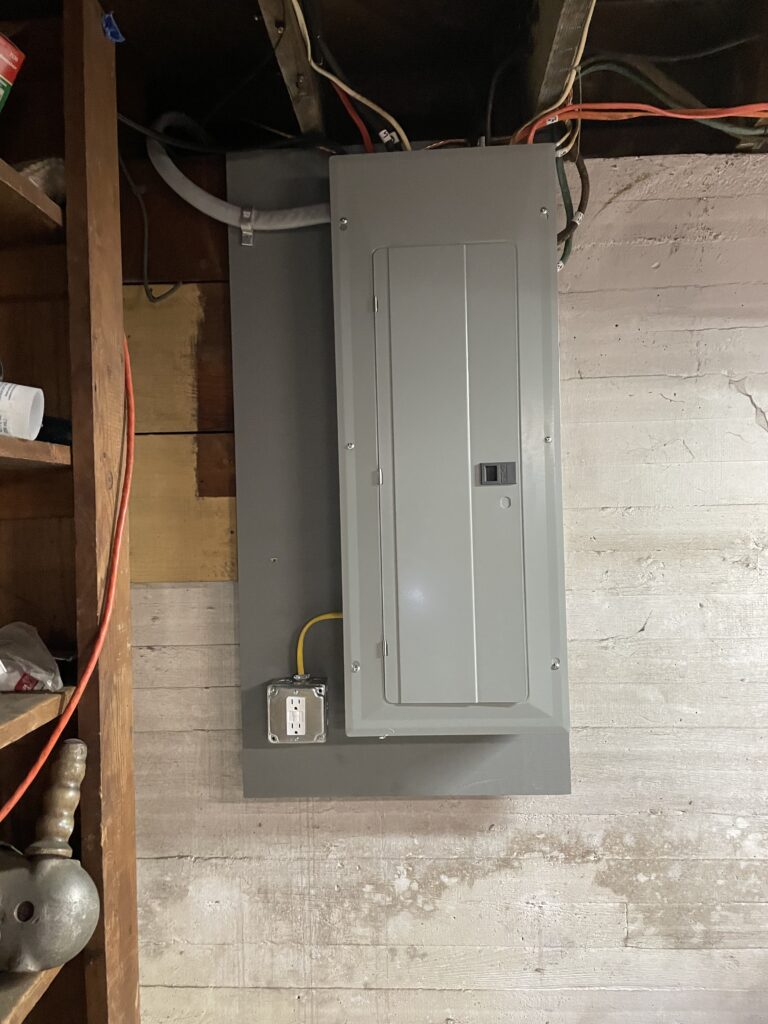
Finally, safety protocols cannot be emphasized enough. Professionals must consistently adhere to safety practices, particularly when working in likely hazardous environments, such as near water sources. Implementing adequate grounding techniques, installing GFCI protection in applicable areas, and performing careful inspections of existing wiring are essential steps. By focusing on safety and best practices, electricians can contribute to a safer and more efficient electrical system for all project.